
Wall and Drywall Mold Removal
For drywall mold removal, damaged wallboard is replaced after the framing behind the surface has been cleaned.
See wall and drywall mold removalFor mold in walls in Canoga Park, ask for moisture mapping, controlled access, containment, removal, drying and water-source repair.
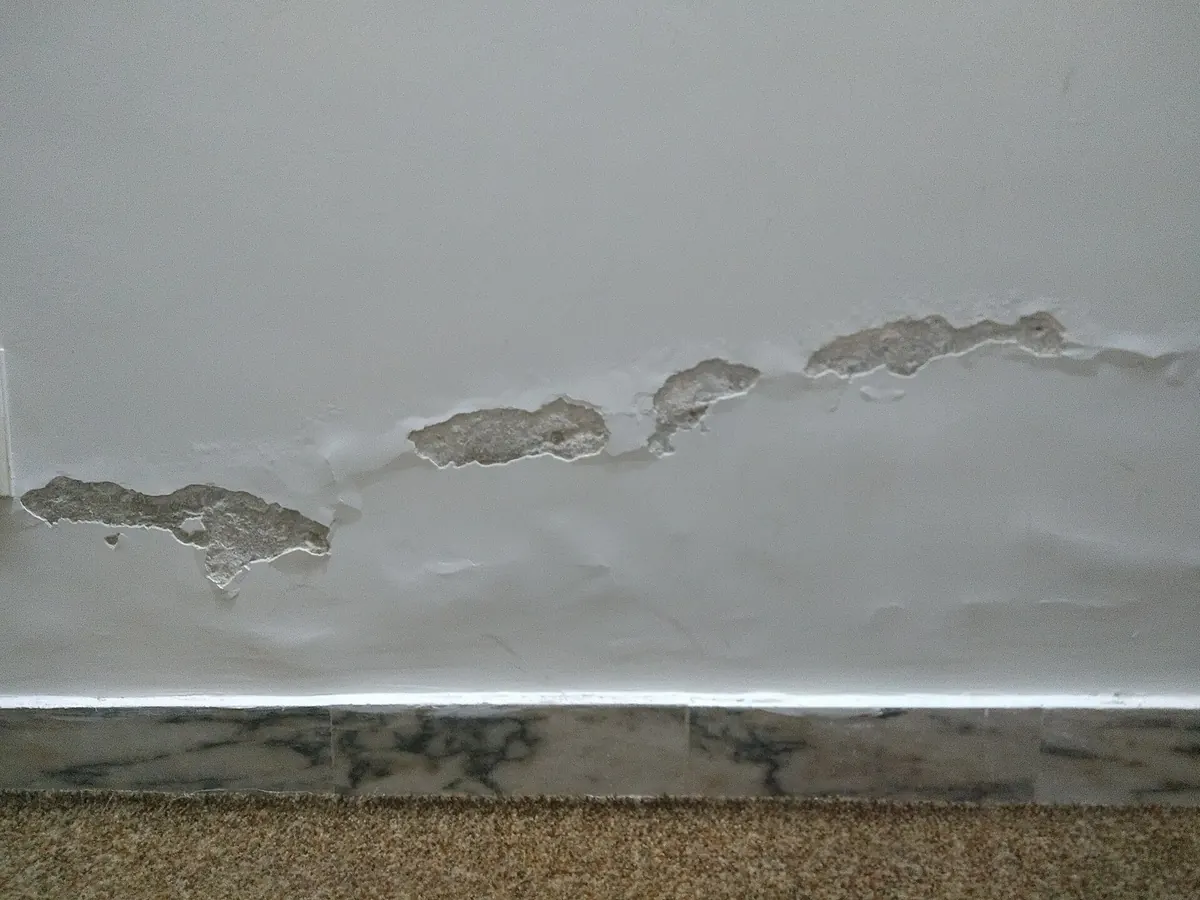
It is a controlled process for inspecting, removing, cleaning and drying cavity growth.
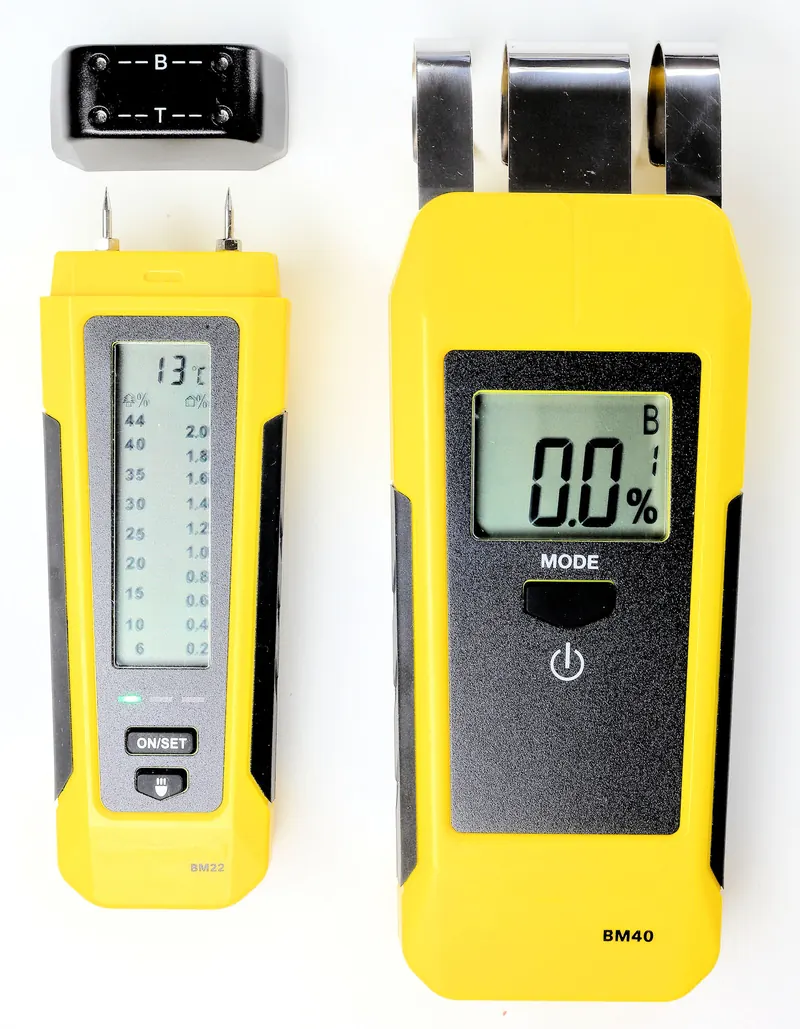
Drywall, framing and insulation may become wet from leaks. Water history and moisture meter readings support inspection. Thermal imaging can direct checks, but it does not identify mold.
Confirmation behind drywall may require inspection holes, a limited cut-out or a borescope. Growth cannot be located by air sampling. A proper scope includes moisture repair along with controlled access and containment.

Ask where poly sheeting goes and how material leaves containment.
Rebuilding responsibility and moisture repair should be listed in the scope along with containment removal, access and drying.
Have clearance testing completed by an assessor with no connection to the removal company.
Ask for evidence supporting every opening. Targeted access protects sound material.
Focus the inspection when damp conditions, stains or odors return. Avoid widespread demolition.
Water can reach framing through roof and window gaps. Clues include bubbling paint along with rain stains.
You may not notice a slowly leaking sink. Look for clues such as odor or swollen panels.
Black mold is a search term, not proof of danger. According to CDC, color does not reveal risk.
Pipe water can create wet drywall and insulation ahead of visible surface changes. Use moisture mapping to define the area.
Before surfaces are opened, document the damage and safely stop the flow of new water.
Call (844) 352-3560Bob Vila reports a $500 to $8,000 range for mold concealed behind a tub or bathroom vanity. Fixr reports $1,000 to $12,000 as the wall mold removal range. National guide figures do not quote your project. Access needs and moisture repair influence cost.
Published national cost guides are the source of these ranges, rather than an inspection of your property. An on-site assessment determines the price for your property, and you should receive an explanation before the work begins.
Ask about cost: (844) 352-3560A covered, sudden water event may qualify for insurance coverage. Common exclusions include neglected maintenance, humidity and long-term leaks. The policy may apply a mold sublimit.
California's Toxic Mold Protection Act includes a landlord written-disclosure section (Health and Safety Code 26147). By its own wording it applies only after the state adopts mold exposure standards, and the state health department has said it could not set them. Save invoices, photos, the scope, moisture readings and the clearance report.
Report water promptly. Ask whether approval is needed before opening materials and confirm the deductible and mold sublimit.
A burst pipe may be treated differently from a slow leak, condensation or deferred maintenance.
Under California's housing law, visible mold found by a health officer or code enforcement officer can make a rental substandard. Renters can contact their local health or code enforcement department to ask for an inspection. Save repair records, notices and leak reports. The source and local rules determine responsibility.
A remediation protocol addresses cleaning and verification together with access, drying and containment removal.
Leak history, odor and moisture readings guide inspection.
Use poly sheeting to create a containment barrier. Air is moved inward by an air filtration device.
Measured openings reduce the demolition of damaged materials.
A HEPA air scrubber operates. Porous materials are taken out inside closed bags.
The cleanup crew may use a HEPA vacuum, damp wiping, wire brushing or HEPA sanding. Cleaning cannot be replaced by antimicrobial treatment.
A dehumidifier and air movers support drying. Readings guide repairs.
Use final cleaning to remove dust. Have an assessor who is independent conduct clearance testing.

Phone at any hour. A hidden mold remediation (behind walls) specialist answers, talks through what you are seeing and explains the next steps.
Avoid DIY when growth is extensive, HVAC is involved or water is contaminated.
EPA calls for experienced help after sewage or contaminated water.
A broad wet area may sit beyond a minor stain. Controlled access can reveal the damage.
Allergy and asthma symptoms can be triggered by mold in some people. Sensitive occupants should stay away.
Can you clean it yourself? EPA says an accessible moldy area under about 10 square feet can often be homeowner-cleaned. The situation changes with hidden growth. Get experienced help when contaminated water, HVAC involvement or larger areas are involved.
How long it takes varies with leak repair, access and drying. Early schedules are preliminary.
A musty smell is one clue that material is damp, not a measure of its extent or position. Moisture inspection should come before access.
EPA recommends keeping indoor relative humidity under 60 percent, with 30 to 50 percent as the ideal range. Dehumidifiers can help, although a continuing leak must be repaired.
California has no state license or certification for mold assessors or remediators, according to the California Department of Public Health. General construction work above a small dollar amount does need a license from the Contractors State License Board (CSLB), so it is worth checking a contractor's license there and asking about their mold training. Check local permit needs for plumbing repair, electrical work, structural demolition or rebuilding.
Resolve the source of water. EPA says to dry water-damaged areas and items within 24 to 48 hours to prevent mold growth.
An indoor mold limit has not been set federally. Testing belongs alongside a physical inspection.
The California Department of Public Health (CDPH) Air Quality Section publishes mold and dampness guidance and a mold FAQ. CDPH says visible mold, dampness, and mold odor are unhealthy and should be fixed, and that routine mold testing is not needed when mold is visible. Confirm the rules that govern the property and planned work.
The full hidden mold remediation (behind walls) guide covers what is cleaned or removed, odor and air quality work, and the rules that apply in Los Angeles County.
Read the full hidden mold remediation (behind walls) guide
Local humidity and housing, along with access to your property, can influence mold cleanup planning, moisture control and containment.
Local housing around Canoga Park may look similar from outside, yet remodels and maintenance history can change where moisture hides and how far mold extends.
Check indoor humidity along with plumbing, roofing, drainage, and ventilation, since mold can return when the original moisture source remains active.
During your call, ask whether mold cleanup is available in surrounding communities and ZIP codes.
For drywall mold removal, damaged wallboard is replaced after the framing behind the surface has been cleaned.
See wall and drywall mold removal
This service pairs a mold inspection with removal, so the crew finds where mold is growing and then cleans it out.
See mold inspection and removal
Mold testing collects surface or air samples for laboratory analysis of the mold types present and their amounts.
See mold testing
A visual check and air samples are part of mold clearance testing performed after removal to confirm a clean space.
See mold clearance testing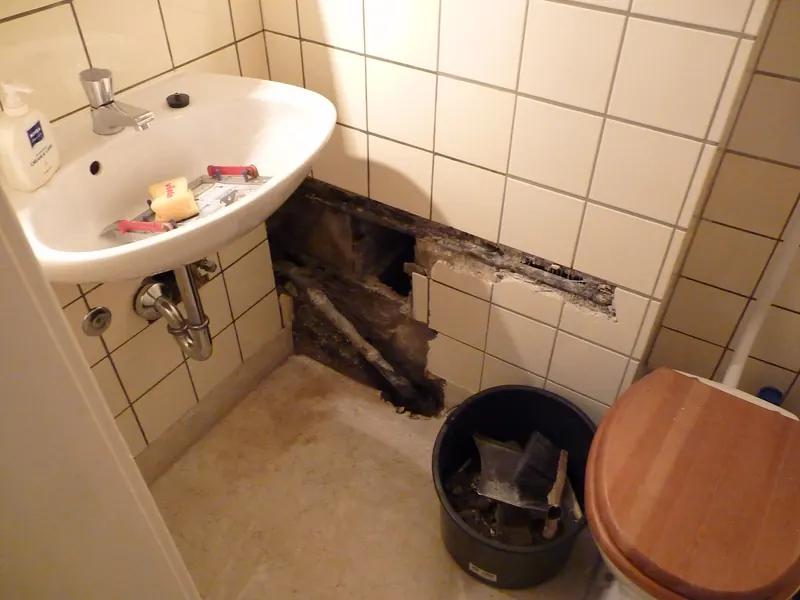
Whether water came from a slow drip or from a burst pipe, plumbing leak mold is cleared from wet cabinets, wall surfaces and floors.
See mold after a plumbing leak or burst pipe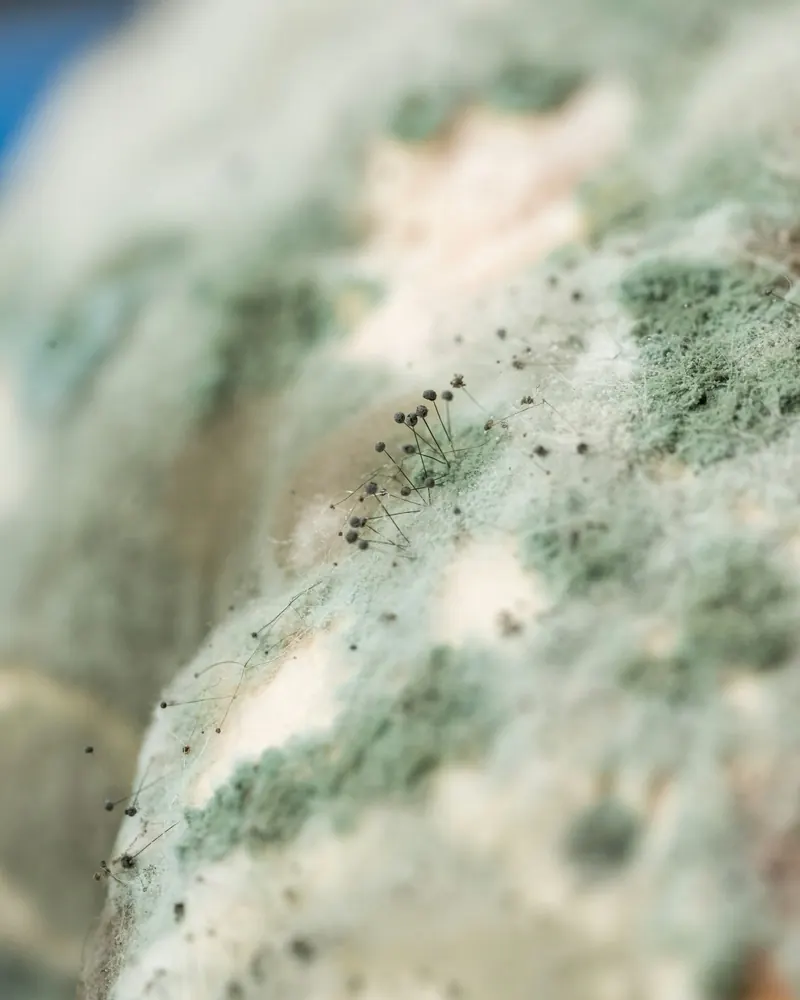
Moldy carpet, flooring and subfloor are cleaned or replaced during subfloor mold removal, and the below-floor moisture source is fixed.
See floor and subfloor mold removal
Wet or moldy insulation is taken out of attics, crawl spaces and walls during mold removal, then replaced once cleaning is complete.
See insulation mold removal
Mold damage restoration clears the growth before damaged insulation, flooring, drywall and other building materials are repaired or replaced.
See mold damage restorationIt depends on the location and size of containment, HVAC involvement and who lives in the home. Ask about restricted rooms and the method used to control airflow. People with weak immune systems, asthma or lung disease are more at risk around mold.
Surface growth might be cleaned without removal, while drywall is difficult to clean when growth penetrates its paper facing. The decision depends on moisture and condition. During repairs, limited inspection helps avoid unnecessary removal or leaving damaged porous material inside the cavity.
Your water source and policy affect the available coverage. Mold may qualify when it follows a sudden and accidental event that is covered. Long-term leaks, ongoing humidity and neglected maintenance are commonly excluded. Ask about the deductible, mold sublimit, required records and permission to remove materials.
Signs around plumbing, roof lines or windows include soft drywall, stains, odor, peeling wallpaper and swollen baseboards. Before you open anything, trace the moisture. You may need a controlled hole for inspection. Uncontained openings may carry mold spores and dust to neighboring rooms.
Your first checks should cover musty odor, stains, leak history and moisture readings. Thermal imaging can direct checks, although it cannot identify mold. A borescope or small cut-out may confirm conditions. Air sampling alone cannot locate mold inside concealed cavities by itself.
For wall mold removal, guides give $1,000 to $12,000 as the range, while mold hidden by a bathroom vanity or a tub, up to, is $500 to $8,000 in the guides. Cost is affected by containment, access and moisture repair. The ranges from Bob Vila and Fixr do not serve as a property quote.
For calm and useful guidance about hidden mold remediation (behind walls), you can reach someone by phone 24 hours a day.